
A healthy septic system is essential for any property that isn’t connected to a municipal sewer line. However, because it’s buried underground, it is incredibly easy to forget about it until a messy problem arises.
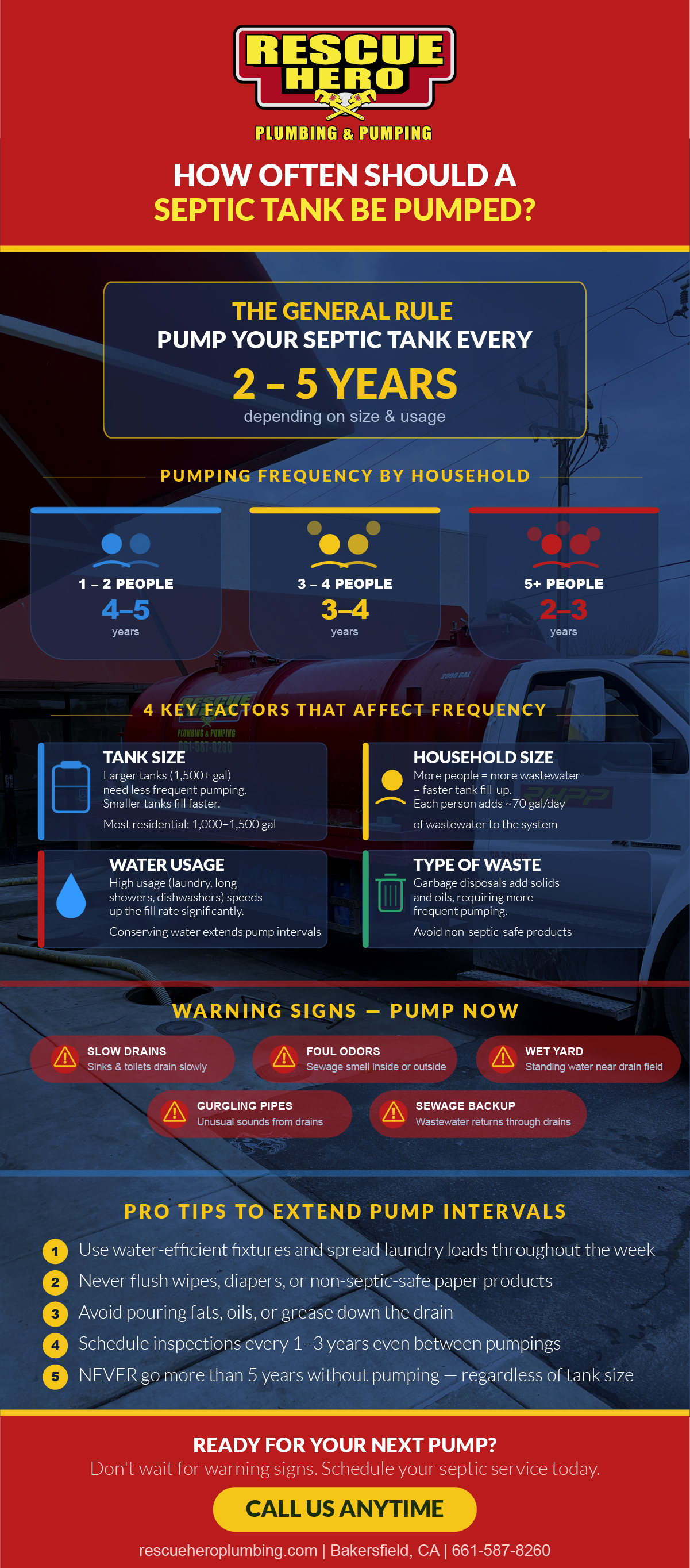
Many homeowners find themselves asking how often to pump septic tank systems to prevent a costly disaster. As a general rule, most residential systems require professional attention every three to five years. By scheduling routine Septic Tank Maintenance, you can keep your system flowing perfectly and avoid sudden, expensive backups.
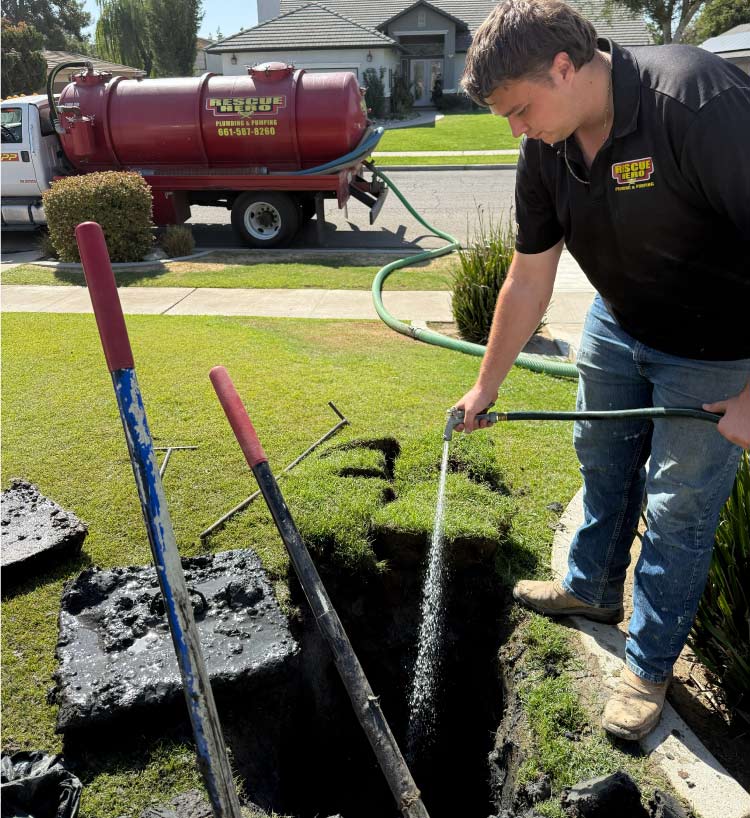
Factors That Change Your Pumping Timeline
While the three-to-five-year rule is a great starting point, the exact timeline depends on several unique factors. Every home is different, and understanding these variables is crucial for your property.
- Household Size: More people living in the home means more wastewater and solid waste entering the system daily.
- Tank Size: A smaller tank fills up much faster than a large, high-capacity tank.
- Usage Habits: Frequent use of heavy appliances or garbage disposals adds excess solids that break down slowly.
If you have a large family but a small tank, you will need professional Septic Tank Pumping much more frequently than a single person living alone.
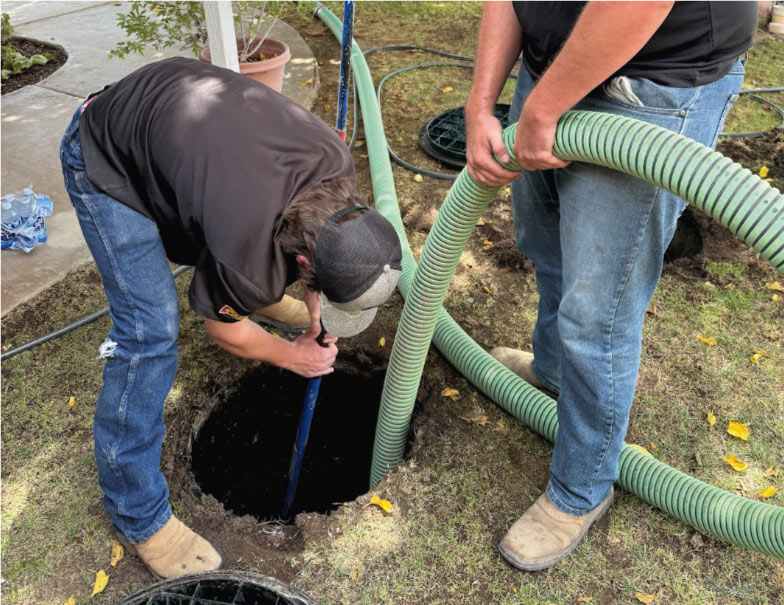
Warning Signs You Waited Too Long
If you lose track of time, your system will usually give you warning signs before a total failure occurs. Ignoring these signals can lead to catastrophic damage to your drain field.
Watch out for slow-draining sinks, gurgling sounds from your pipes, or lush, bright green grass growing directly over your leach field. If you notice a sewage odor or experience a clogged drain that plunging cannot fix, your tank is likely over capacity.
Additionally, water backing up into your showers or toilets is an immediate red flag. This means the effluent has nowhere else to go. Taking quick action saves you from costly cleanup and protects your property.
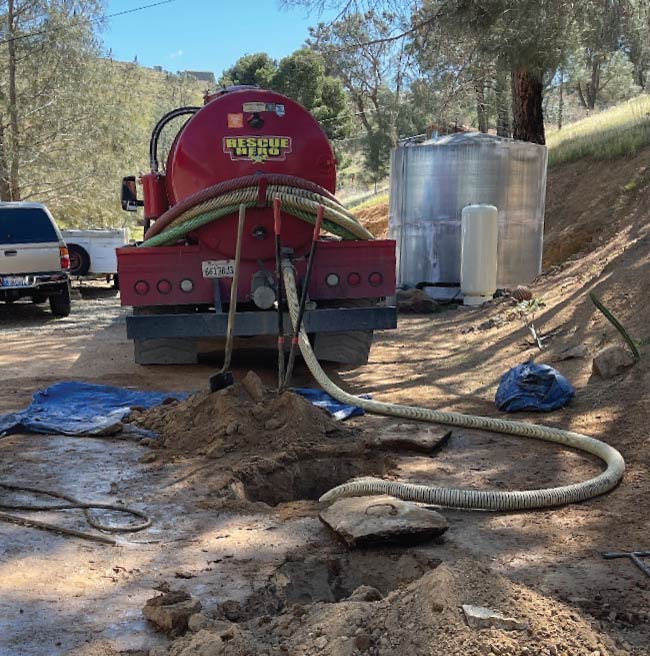
The Impact of Water Efficiency
Your water usage directly impacts the lifespan and pumping schedule of your system. Every drop of water that goes down the drain ends up in your buried tank.
Excessive water usage can flood the system, pushing solid waste into the drain field before it has time to break down. Upgrading to high-efficiency fixtures during a Toilet installation or fixing leaky faucets can significantly reduce the strain. This ultimately extends the time between required pump-outs.
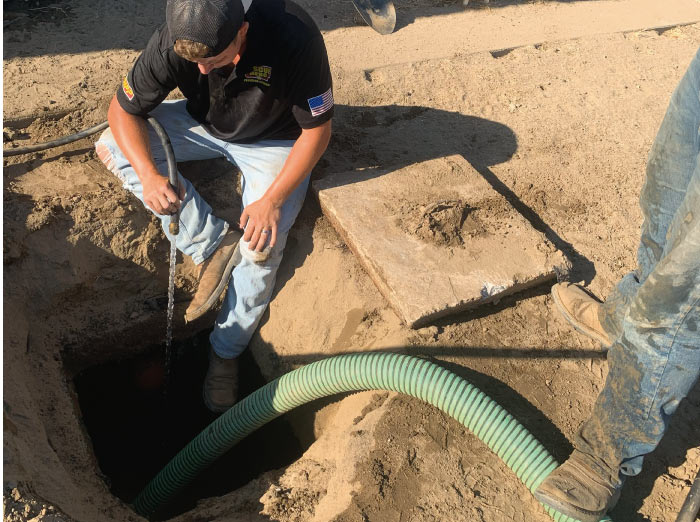
The Difference Between Pumping and Cleaning
It is important to understand the terminology when scheduling service. Many homeowners confuse pumping with cleaning, but they are two distinctly different procedures.
Pumping simply removes the liquid and floating scum, leaving some heavy sludge at the bottom. A comprehensive Septic Tank Cleaning removes all the compacted sludge from the very bottom of the tank. Your technician can advise which service you need based on your tank’s condition.
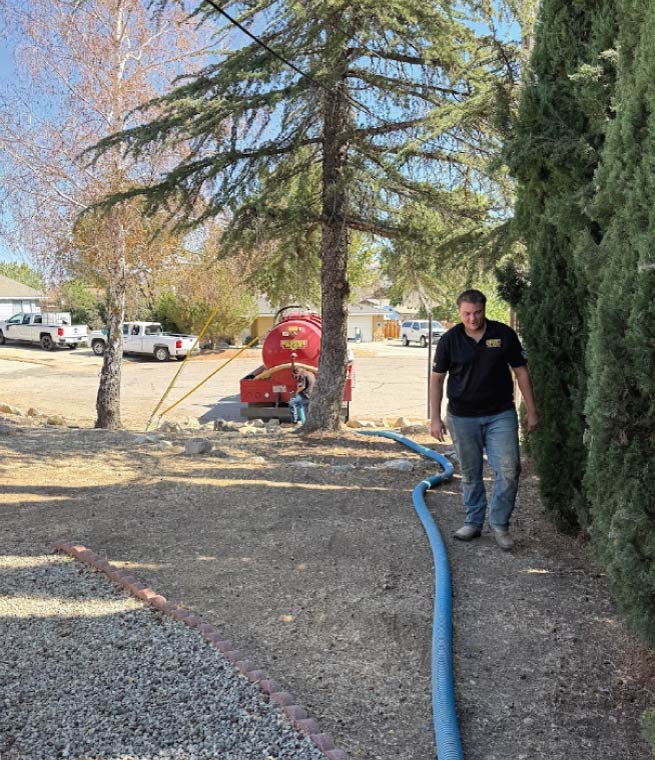
When to Call the Professionals
Still wondering how often to pump septic tank lines for your specific property? The safest approach is to have a professional evaluate your sludge and scum levels.
The Environmental Protection Agency (EPA) recommends having your system inspected at least every three years by a licensed service provider. Routine inspections catch minor issues before they turn into major health hazards. If a backup happens unexpectedly, don’t panic—call an Emergency Plumber immediately.
If it’s time to schedule, our instant quote calculator gives you a septic pumping price range in under a minute.
Trust Rescue Hero Plumbing for Your Septic Needs
At Rescue Hero Plumbing, we take the guesswork out of maintaining your waste management system. Figuring out how often to pump septic tank systems shouldn’t keep you awake at night. Our licensed experts have been serving the community for over 30 years with honest, upfront pricing.
Whether you need routine maintenance, an inspection, or a total system overhaul, we are here to help 24/7. Don’t wait for a sewage backup to ruin your beautiful lawn.
Call Rescue Hero Plumbing at (661) 587-8260 today to schedule your next service!
FAQ’s
How often should I pump my septic tank?
Frequency depends on the tank size and household size. However, for a typical family of four, it is highly recommended to pump the tank every three years to maintain optimal function and prevent overflows.
What causes a septic tank to fail prematurely?
The most common causes of early failure are lack of maintenance (not pumping), flushing non-biodegradable items (like wipes or grease), and driving heavy vehicles over the drain field or tank.
Can I use additives to extend the life of my septic tank?
While many products claim to eliminate the need for pumping, they are rarely a substitute for physical maintenance. Some additives can actually disrupt the natural bacterial balance in the tank. Regular pumping is the safest method.
How do I know if my septic tank needs to be replaced?
Signs include persistent backups, standing water in the yard, and sewage odors. If you have a steel tank that is rusting or a concrete tank with significant structural cracks, replacement is usually necessary.
Why is the ground wet above my septic tank?
Wet or mushy ground usually indicates that the drain field is failing or the tank is overflowing. This is a serious sanitary issue that requires immediate professional attention to prevent sewage from backing up into the home.