
Navigating the complexities of property ownership in Kern County comes with a unique set of responsibilities, especially when your home relies on an onsite wastewater treatment system. Whether you are preparing to list your property on the market or have recently received a notice from the county, understanding the Bakersfield Guide to Septic Compliance is essential to protecting your investment and ensuring a smooth real estate transaction.
For many residents, the septic system is “out of sight, out of mind” until a sale is pending. However, California’s strict environmental standards and local Kern County ordinances require specific actions—including
Why is Septic Compliance Critical in Kern County?
In the Central Valley, septic systems are a vital part of our infrastructure, particularly in rural and suburban areas of Bakersfield, Shafter, and Tehachapi. Because these systems treat wastewater on-site, a malfunctioning tank can contaminate local groundwater or create public health hazards.
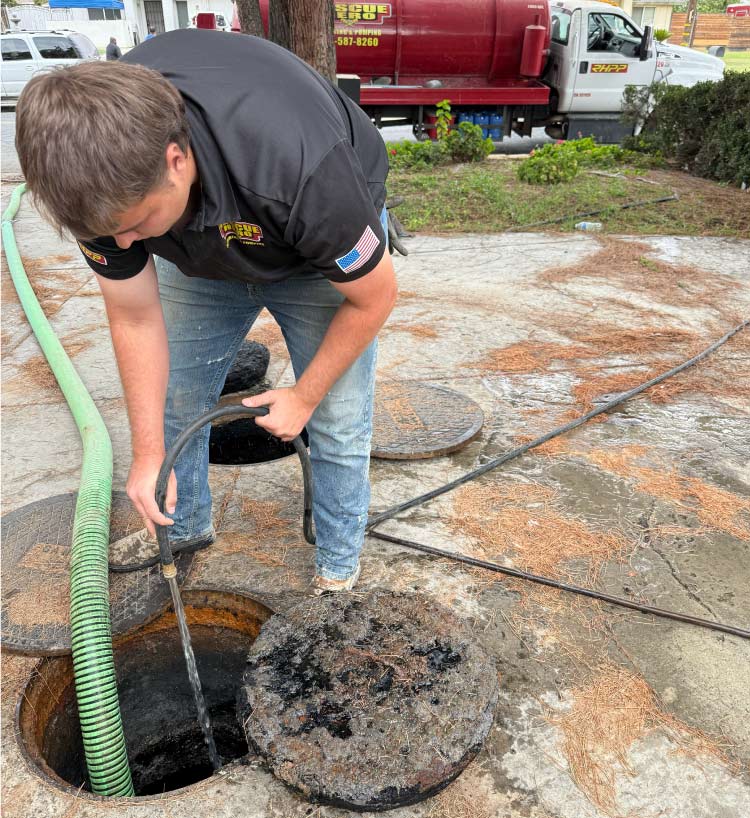
When a home is sold in California, the lender or the buyer typically requires a septic tank inspection for home sale. This isn’t just a formality; it is a comprehensive evaluation to ensure the tank is structurally sound, the leach field is absorbing effluent correctly, and the system is sized appropriately for the household.
The Role of Kern County Regulations
Kern County Public Health and environmental agencies oversee the standards for these systems. Compliance typically involves:
- A physical inspection of the tank’s baffles, lids, and liquid levels.
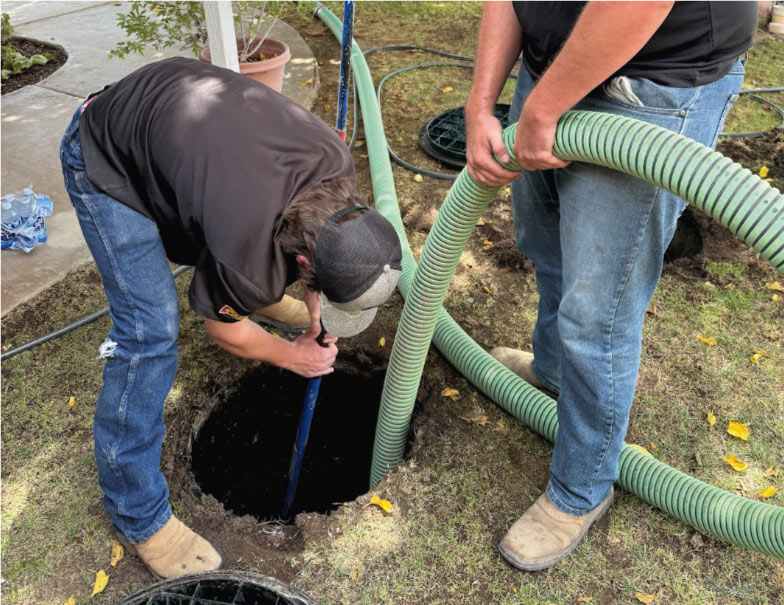
- Required pumping to allow for a clear view of the tank’s interior walls.
- Functional flow testing to ensure the leach field can handle daily water usage.
How Do I Pass a Septic Inspection in Bakersfield?
Passing an inspection requires more than just a functional toilet. An inspector looks for signs of “failure,” which can range from minor cracks to total system collapse. To ensure your system meets the grade, homeowners should focus on three primary areas:
1. Structural Integrity of the Tank
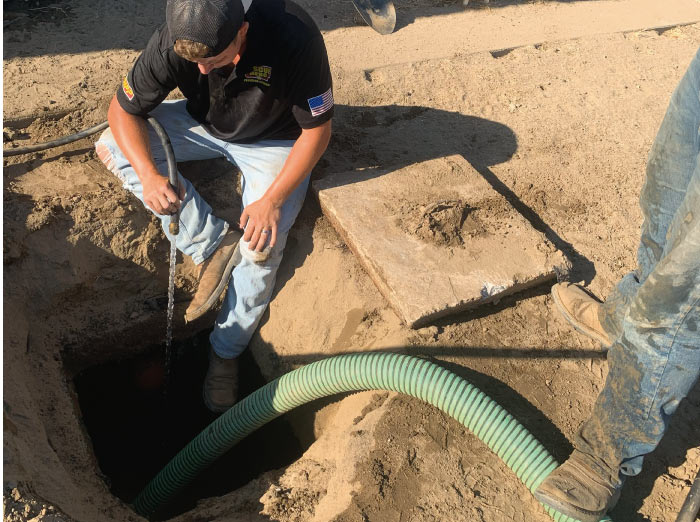
During the inspection, the tank must be pumped. This allows the specialist to check for cracks in the concrete, root intrusion, or signs of the tank “short-circuiting.” If your tank is older, it may require a lid replacement or baffle repair to meet modern safety codes.
2. Leach Field Performance
The leach field (or disposal area) is the most expensive part of your system. An inspector will check for “ponding” or surfacing sewage, which indicates the soil can no longer absorb water. If the ground is soggy or there is an odor near the leach field, you may need professional
3. Proper Documentation
Compliance is as much about paperwork as it is about plumbing. You will need a formal certification signed by a licensed professional (holding a C36 or C42 license) stating that the system is functioning as designed.
The Essential Checklist: Septic Tank Pumping and Cleaning
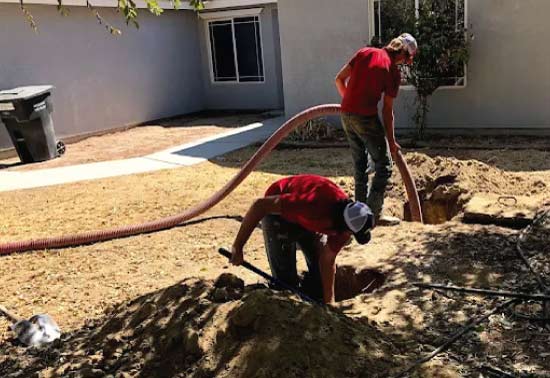
One of the most common reasons homeowners fail an initial compliance check is a lack of recent maintenance. Septic tank cleaning is not just a recommendation; it is a prerequisite for certification.
-
When to Pump: California standards generally suggest that for a family of four, you should pump your tank every three years to prevent solids from escaping into the leach field.
-
The Inspection Process: An inspector cannot see the bottom of the tank if it is full of sludge. Pumping must occur at the time of inspection so the walls and floor can be scrutinized for leaks.
-
The “Same-Day” Factor: In the fast-paced Bakersfield real estate market, waiting weeks for a pumper can kill a deal. Choosing a provider that offers
Septic Tank Pumping
To see what a pump-out and certification might run before you schedule, check our instant quote calculator for a septic price range.
Common Pitfalls: Items to Never Flush
To maintain compliance and extend the life of your system, you must be vigilant about what enters your pipes. To help you avoid a “Position 0” disaster in your backyard, follow this strict list of prohibited items:
-
“Flushable” Wipes: Despite the labeling, these do not break down and are a leading cause of septic backups.
-
Grease and Fats: These congeal in the tank and can clog the inlet pipes.
-
Feminine Products & Condoms: These synthetic materials do not decompose and will quickly fill the solids chamber.
-
Paper Towels: These are designed to be absorbent and tough; they will not dissolve like toilet paper.
-
Chemical Drain Cleaners: These kill the “good bacteria” in your tank that breaks down waste.
Why Choose Rescue Hero Plumbing?
When your home’s compliance is on the line, you need a team that treats your emergency like their own.
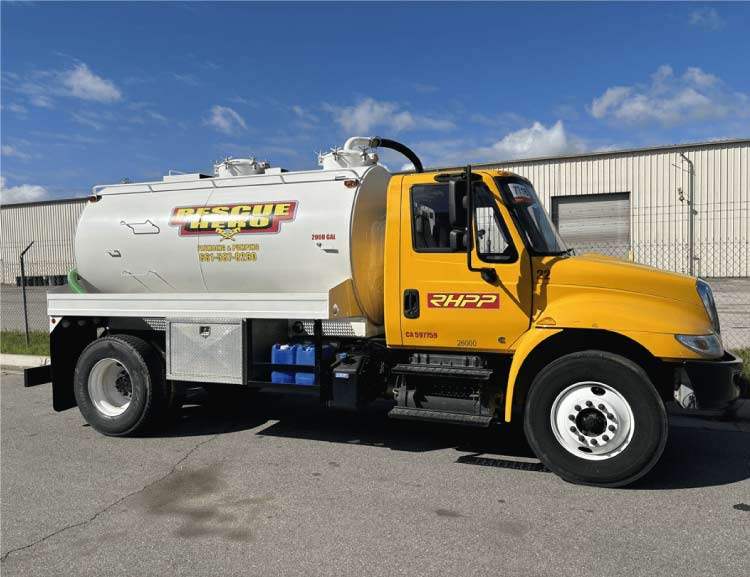
At Rescue Hero Plumbing, we are a family-owned and operated business with over 30 years of experience serving the Bakersfield community.
We understand the urgency of a “Toilets Overflowing” call or a “Septic Certification” deadline.
We operate with a simple mission: to come to the rescue when you need us most. Whether it’s a 2 a.m. leak or a same-day septic inspection, our team—composed entirely of family members—is ready to provide affordable, expert service. We are fully licensed, bonded, and insured (Contractors License #1068015) and offer 24/7 availability to ensure your home stays in working order.
Need a certification or an emergency pump? Don’t wait for the backup to happen. Call the heroes who have been serving Kern County since 1991.
Contact Rescue Hero Plumbing today at 661-889-0656 for 24-hour service you can trust.
FAQ’s
How often should I pump my septic tank for a family of four?
For a standard 1,000 to 1,250-gallon tank supporting a family of four, you should schedule a pump-out every 3 years. This prevents the “sludge” layer from becoming too thick and migrating into your leach field, which can cause thousands of dollars in damage.
How much does a septic certification cost in Bakersfield?
Costs vary based on the size of the tank and the depth of the lids. Generally, it involves the cost of the pump-out plus an inspection fee. It is a small investment compared to the risk of a home sale falling through.
Can I inspect my own septic tank for a home sale?
No. To meet Kern County and lender requirements, the inspection must be performed by a licensed professional with the proper credentials (such as a C36 Contractors License) to ensure the report is legally binding.
What are the signs my septic tank is backing up?
Common warning signs include slow-draining sinks, gurgling noises in the pipes, foul odors in the yard, or patches of unusually lush, green grass over the leach field.
Does a septic tank need to be pumped if the house is vacant?
Even if the house has been vacant, the tank must usually be pumped and inspected for a real estate transfer to verify that the structure of the tank hasn’t deteriorated or been compromised by roots while sitting idle.