
For many homeowners, the septic system is “out of sight, out of mind” until a major problem arises. However, understanding the lifespan of your system is crucial for financial planning and home maintenance. If you are wondering how long do septic tanks last, the short answer generally ranges from 20 to 40 years. However, this depends heavily on the material of the tank and how well you maintain it.
A septic system is a significant investment, and maximizing its longevity should be a priority for every property owner. Routine care, such as utilizing professional Septic Tank Maintenance, can add years to your system’s life. By staying proactive, you avoid costly emergency replacements and ensure your home’s plumbing runs smoothly for decades.
How Does Material Impact Septic Tank Longevity?
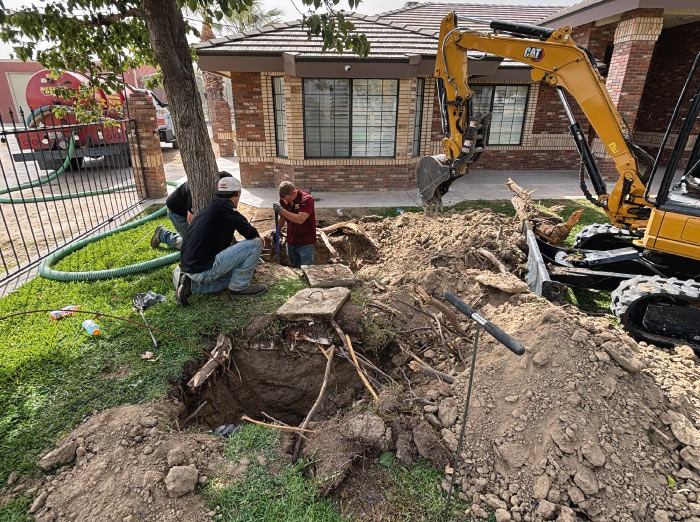
The material your tank is constructed from is the single biggest factor in determining its lifespan. While older homes may have steel tanks, modern installations typically use concrete or plastic.
Concrete Septic Tanks
Concrete is the most common material used today due to its durability. A high-quality concrete tank can easily last 40 years or more. However, they are not invincible; cracks can develop over time due to shifting soil or poor-quality concrete mixtures.
Steel Septic Tanks
If you own an older property, you might have a steel tank. Unfortunately, these have a much shorter lifespan, typically lasting 15 to 20 years. Steel is prone to rust and corrosion, which can lead to structural failure and collapse. If you have a steel tank that is over 20 years old, you should plan for a replacement soon.
Plastic and Fiberglass Tanks
Plastic and fiberglass tanks are becoming increasingly popular because they are immune to rust and cracking from corrosion. These tanks are lightweight and durable, often lasting 30 to 40 years or longer. Their main vulnerability is structural damage from heavy weight above ground, such as vehicles driving over the drain field.
How Do Usage Habits Affect Your Septic System?
Even the most durable tank will fail prematurely if it is abused. The way your household utilizes water and disposes of waste plays a massive role in system health.
Overloading the system with excessive water usage or flushing non-biodegradable items can cause the drain field to fail.
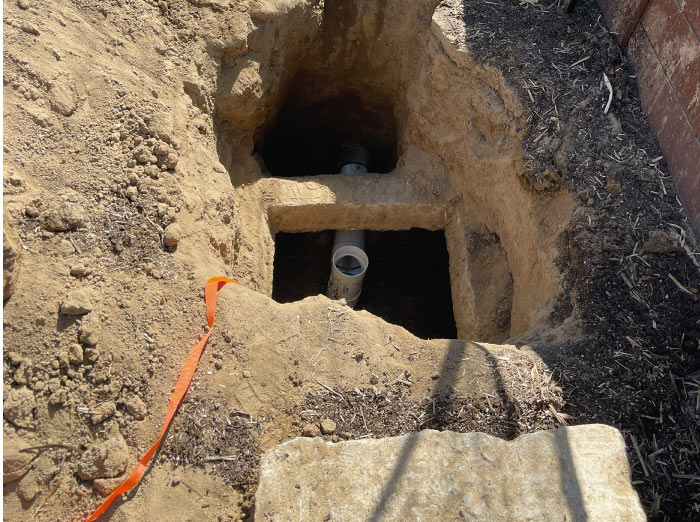
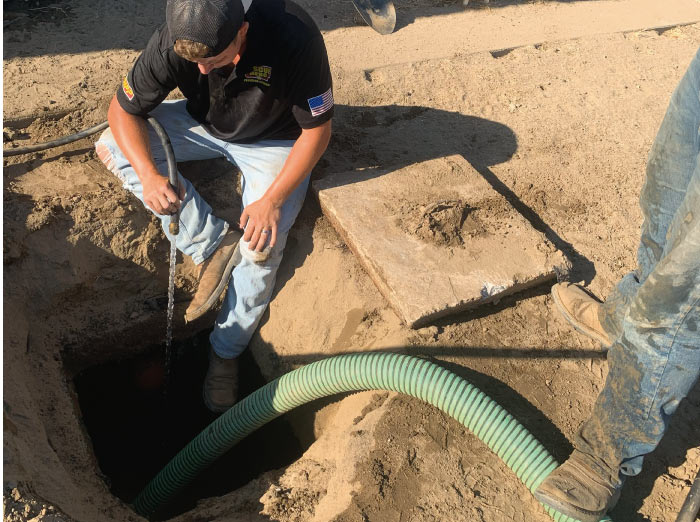
To ensure your system reaches its full potential, regular pumping is non-negotiable. Experts generally recommend Septic Tank Pumping every three to five years. For a standard family of four, we specifically recommend pumping the tank every three years to prevent the system from overflowing.
Curious what that pumping visit might cost? Our instant quote calculator gives you a price range in under a minute.
Furthermore, you must be mindful of what goes down the drain. You should never introduce grease, baby wipes, paper towels, feminine products, or condoms into your septic tank. These items do not break down and can cause severe blockages that shorten the life of the system.
Why Is My Septic Tank Failing Early?
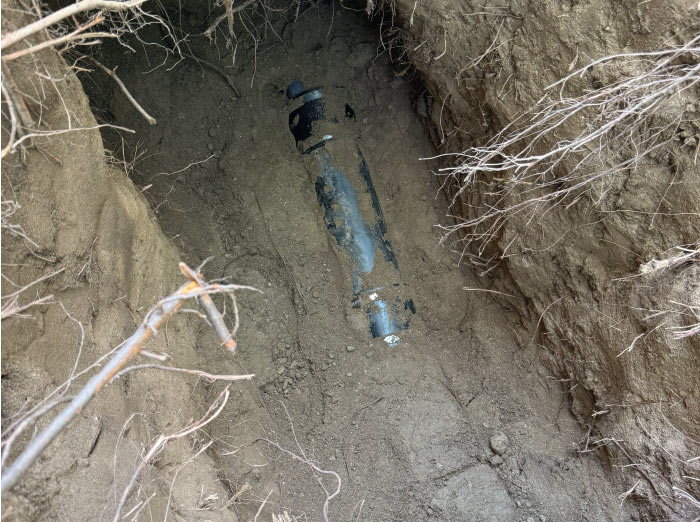
Understanding the warning signs of failure can save you from a plumbing disaster. If you notice foul odors in your yard, slow drains, or soggy patches of grass near the drain field, your system may be compromised. These issues often indicate that the tank is full or the drain field is saturated.
Roots are another common enemy. Tree roots can infiltrate sewer lines and the tank itself, causing leaks and blockages. If you suspect a blockage or a break in the line, you may need an Emergency Plumber to inspect the damage immediately. Catching these issues early is vital to preserving the remaining life of your tank.
The Importance of Inspections and Certifications
If you are buying or selling a home, knowing the age and condition of the septic system is a legal and financial necessity. In many areas, including California, you must have the tank pumped and inspected during a real estate transaction.
Professional Septic Tank Certifications provide a detailed report on the system’s health. If the inspection reveals problems, repairs must be completed before the tank can be certified. This process ensures the buyer isn’t inheriting a system that is near the end of its life.
Maximizing Your Investment with Rescue Hero Plumbing
Ultimately, how long do septic tanks last comes down to the quality of care they receive. With over 30 years of experience in the industry, Rescue Hero Plumbing is dedicated to keeping your plumbing and septic systems running flawlessly. We are a family-owned business founded in 1991 with a vision to provide better, more affordable service than our competitors.
Whether you need routine Septic Tank Cleaning or urgent same-day repairs, our team is available 24 hours a day to come to the rescue. We treat our customers like family and are committed to solving your issues quickly so you can get back to your normal life. Contact us today to schedule your service.
FAQ’s
How often should I pump my septic tank?
Frequency depends on the tank size and household size. However, for a typical family of four, it is highly recommended to pump the tank every three years to maintain optimal function and prevent overflows.
What causes a septic tank to fail prematurely?
The most common causes of early failure are lack of maintenance (not pumping), flushing non-biodegradable items (like wipes or grease), and driving heavy vehicles over the drain field or tank.
Can I use additives to extend the life of my septic tank?
While many products claim to eliminate the need for pumping, they are rarely a substitute for physical maintenance. Some additives can actually disrupt the natural bacterial balance in the tank. Regular pumping is the safest method.
How do I know if my septic tank needs to be replaced?
Signs include persistent backups, standing water in the yard, and sewage odors. If you have a steel tank that is rusting or a concrete tank with significant structural cracks, replacement is usually necessary.
Why is the ground wet above my septic tank?
Wet or mushy ground usually indicates that the drain field is failing or the tank is overflowing. This is a serious sanitary issue that requires immediate professional attention to prevent sewage from backing up into the home.