
For many homeowners, the plumbing system is out of sight and out of mind until something goes wrong. If you live in a rural area or a property not connected to a municipal sewer system, you likely rely on a septic system. But have you ever stopped to ask, how does a septic tank work to keep your home sanitary and safe?
Understanding your septic system is the first step toward preventing costly backups and messy emergencies. It isn’t just a holding tank; it is a living, biological treatment plant right in your backyard. Proper knowledge ensures you know when to schedule routine Septic Tank Maintenance to keep everything flowing smoothly.
The Journey from Your Drain to the Tank
When you flush a toilet, run the dishwasher, or take a shower, all that water and waste need somewhere to go.
In a septic system, everything travels through a main drainage pipe that leads out of your house and into the septic tank. This tank is usually a watertight container made of concrete, fiberglass, or polyethylene buried underground.
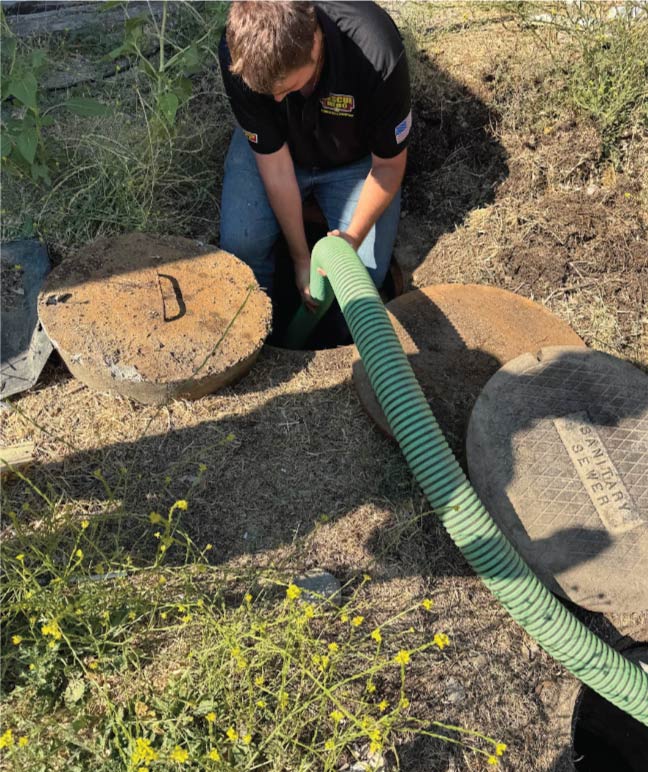
Its primary job is to hold the wastewater long enough for solids to settle down to the bottom and for oil and grease to float to the top. This separation process is critical. Without it, solid waste would push out into the drain field, clogging the soil and causing system failure.
The Three Layers of Separation
To truly answer “how does a septic tank work,” we have to look inside the tank itself. Once wastewater enters the tank, gravity takes over, separating the contents into three distinct layers:
- The Scum Layer: Oils, grease, and fats float to the top to form a crust.
- The Sludge Layer: Heavier solid waste settles at the bottom to form sludge. Bacteria in the tank work to break down these solids.
- The Effluent: This is the liquid wastewater that sits between the scum and sludge layers.
This middle layer of treated liquid (effluent) is what eventually exits the tank. However, the solids at the bottom and the grease at the top remain trapped. Over time, these layers build up, which is why professional Septic Tank Cleaning and pumping are necessary to prevent the tank from overflowing.

The Drain Field: Returning Water to Nature
After the solids have separated, the liquid effluent moves out of the tank and into the drain field (also known as a leach field). This is a series of perforated pipes buried in trenches filled with gravel or special units.
The effluent slowly trickles out of these pipes and filters through the soil. The soil acts as a natural biological filter, removing harmful bacteria, viruses, and nutrients before the water eventually reaches the groundwater. This final step is vital for protecting the local ecosystem, a priority emphasized by the EPA’s SepticSmart guidelines.
Why Routine Pumping is Non-Negotiable
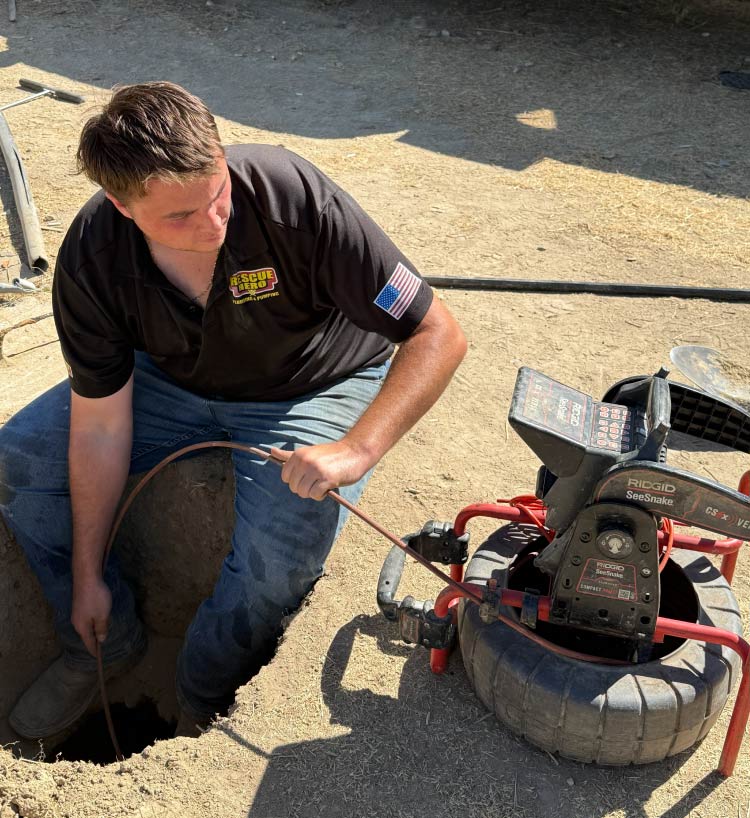
Even a healthy septic system cannot handle an infinite amount of sludge. The bacteria in the tank can only break down a portion of the solids. The rest accumulates over time. If the sludge layer gets too high, it pushes solids out into the drain field, leading to catastrophic clogs.
This is why we recommend regular Septic Tank Pumping. Generally, a family of four should have their tank pumped every three years. Ignoring this schedule can lead to sewage backing up into your home, requiring the immediate help of an Emergency Plumber.
Buying or Selling a Home with a Septic System?
If you are buying or selling a property in California, understanding the condition of the septic system is legally required. You cannot simply guess that the system is working.
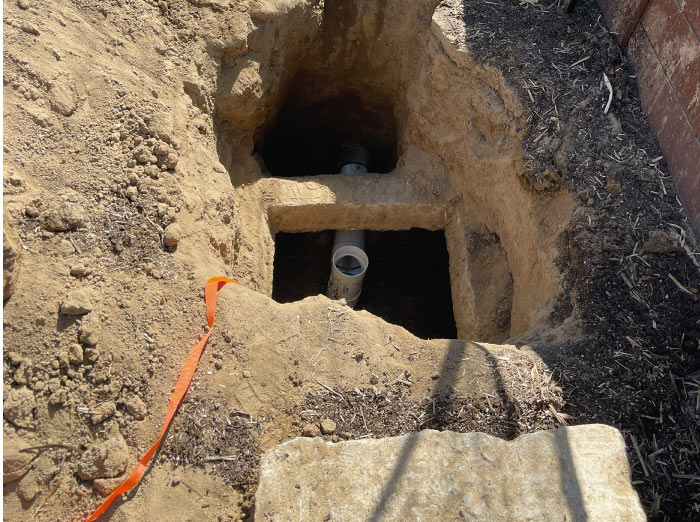
You will typically need a professional inspection to obtain Septic Tank Certifications. This process involves pumping the tank and inspecting the structure to ensure it meets county standards and is not leaking or compromised.
If you need a pumping or certification service, our instant quote calculator can give you a price range before you schedule the inspection.
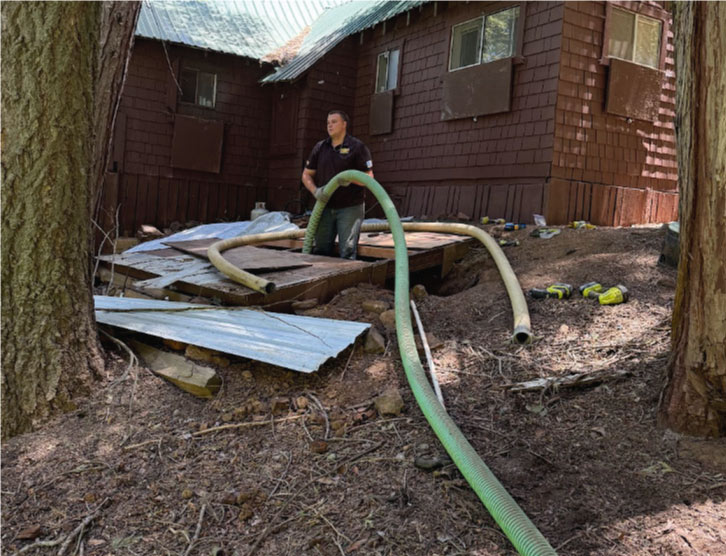
Trust Rescue Hero Plumbing for Your Septic Needs
Now that you know the answer to “how does a septic tank work,” you can see why professional care is essential. At Rescue Hero Plumbing, we are proud to be a family-owned and operated business serving Bakersfield, Shafter, Tehachapi, and beyond. Founded in 1991, we have over 30 years of industry experience.
We understand that septic issues don’t always happen during business hours. That is why we offer 24/7 same-day service. Whether you need a routine inspection, emergency pumping, or a certification for a home sale, our team treats you like family. We aim to get your system back in working order the same day you call.
Don’t wait for a backup to ruin your day.
FAQ’s
How often should I pump my septic tank?
Most experts recommend pumping your septic tank every 3 to 5 years. However, this depends on the size of your tank and the size of your household. A family of four typically needs pumping every 3 years to prevent overflows.
What should I never put down my drain?
To protect your system, avoid flushing “flushable” wipes, paper towels, feminine hygiene products, condoms, and grease. These items do not break down easily and will fill your tank rapidly, leading to blockages.
Why is my septic tank smelling?
Foul odors usually indicate a problem. It could mean the tank is full and needs pumping, or that the bacterial balance in the tank has been disrupted by harsh chemicals. If you smell sewage outside near the tank or inside your drains, call a professional immediately.
How can I make my septic system last longer?
Conserve water to avoid overloading the system. Fix leaking faucets and toilets promptly. Also, use septic-safe toilet paper and avoid pouring chemical drain cleaners down the sink, as they kill the good bacteria your tank needs to function.
What are the signs of a failing septic system?
Common signs include slow drains, gurgling sounds in the plumbing, bright green grass over the drain field, and water pooling in your yard. If you notice these issues, you may have a backup or a drain field failure.