
Imagine turning on your kitchen faucet for a glass of water, only to find the water is discolored or smells like chemicals. This nightmare scenario is exactly what a crucial piece of plumbing equipment is designed to stop. So, what is a backflow preventer, and how does it keep your family safe?
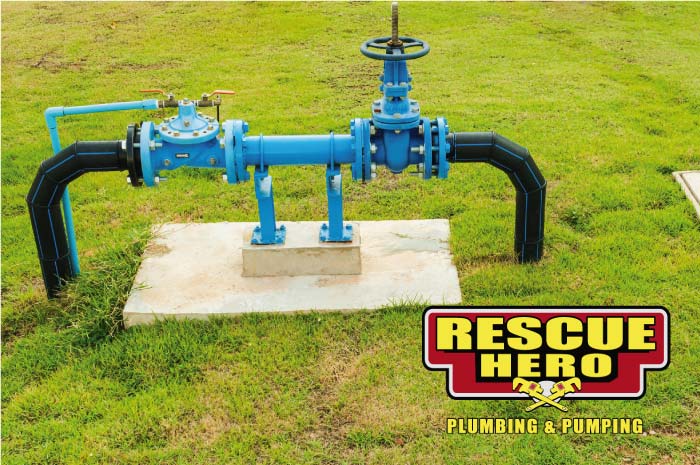
A backflow preventer is a specialized device installed on your plumbing pipes that allows water to flow in only one direction. It acts as a one-way gate: clean municipal water can enter your home, but dirty water from your irrigation system, fire sprinklers, or drain lines is physically blocked from flowing back into the main water supply.
Without this protection, a sudden drop in city water pressure could suck contaminants backward into your drinking water.
How Does Backflow Happen?
To understand the solution, you first need to understand the problem. Backflow typically occurs due to two main pressure changes:
- Back Siphonage: This happens when there is a sudden drop in water pressure in the city main, often caused by a water main break or firefighters using a nearby hydrant. This vacuum effect can pull dirty water from your home back into the supply lines.
- Back Pressure: This occurs when a system in your home (like a boiler or pump) creates higher pressure than the incoming city water, pushing stagnant or treated water back into the clean supply.
If you suspect any issues with your water pressure or quality, our team at Rescue Hero Plumbing can assist with professional Water Leak Detection to identify the root cause.
Common Types of Backflow Preventers
Not all prevention devices are the same. The type you need depends on the specific hazard level of your property.
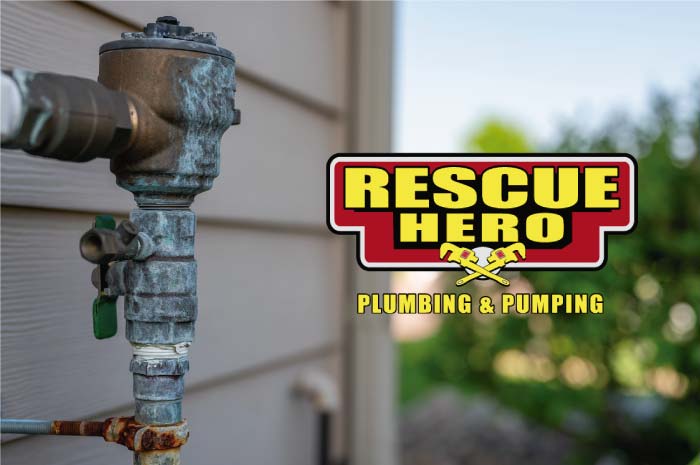
1. Pressure Vacuum Breaker (PVB)
This is commonly used for lawn irrigation systems. It is relatively simple and affordable, designed to stop back siphonage. It must be installed at least 12 inches above the highest water outlet in your yard to function correctly.
2. Reduced Pressure Zone (RPZ) Assembly
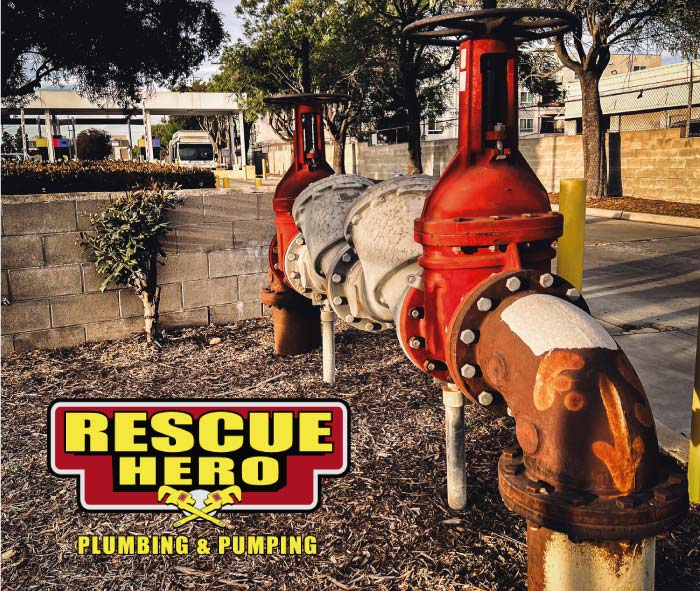
The RPZ is the “gold standard” for high-hazard situations. It consists of two independent check valves and a relief valve. If one valve fails, the other takes over, and the relief valve dumps the contaminated water out before it can enter the clean supply. This is often required for large commercial properties or homes with complex Commercial Plumbing needs.
3. Double Check Valve Assembly (DCVA)
As the name suggests, this device uses two check valves in a series. It is often used for fire sprinkler systems and is generally installed underground. While effective, it offers slightly less protection than an RPZ because it lacks the relief valve to dump water if both checks fail.
Why Annual Testing Is Mandatory
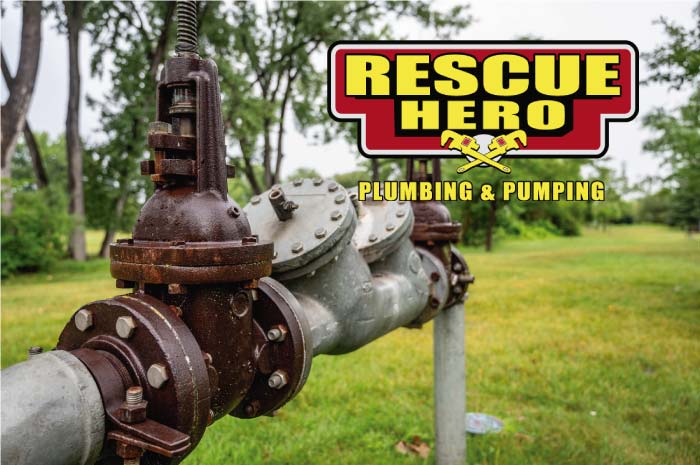
Because these devices are mechanical, they have internal seals, springs, and moving parts that can wear out over time. A failed backflow preventer offers zero protection.
Most local water districts in Bakersfield and Shafter require annual testing and certification. A certified tester will connect a specialized gauge to the device’s test ports to ensure the valves are holding pressure correctly. If you are overdue for an inspection or need general Plumbing Repair, it is critical to get this scheduled to avoid fines and ensure safety.
Not sure what installation, testing, or repair might cost? Our instant quote calculator gives you a price range in under a minute.
Trust Rescue Hero Plumbing for Your Safety
Now that you know the answer to “what is a backflow preventer,” you understand why it is non-negotiable for your home’s safety. At Rescue Hero Plumbing, we take water safety seriously. Whether you need a new installation, an annual certification, or an emergency repair, our team is here to help.
We are a family-owned business serving Bakersfield, Tehachapi, and the surrounding areas with over 30 years of experience. We treat your home like our own, offering honest work and 24/7 availability for those unexpected plumbing disasters.
Don’t wait for a contamination letter to act.
FAQ’s
Why is my backflow preventer leaking water?
A leaking preventer often means it is doing its job. In an RPZ device, the relief valve will dump water if it senses a pressure imbalance or if there is debris stuck in the check valve. However, consistent leaking usually indicates worn-out rubber parts or a broken spring that needs repair.
How often do I need to test my backflow device?
Most municipalities require testing once every 12 months. You will typically receive a notification letter from your local water purveyor when your annual test is due.
Can I install a backflow preventer myself?
Generally, no. Because this device protects the public water supply, most cities require installation and testing to be performed by a licensed and certified professional. Improper installation can leave your home and neighbors vulnerable to contamination.
What happens if I don't have a backflow preventer?
Without one, you risk contaminating your own drinking water and the city’s supply with pesticides, fertilizer, or human waste. Additionally, you may face legal fines or have your water service shut off by the city until a device is installed.
How long does a backflow preventer last?
With proper maintenance, a high-quality assembly can last 10 to 20 years. However, the internal rubber components (seals and O-rings) typically need replacing every 5 to 7 years depending on usage and water quality.